







Search Results for: coffee dose and water control
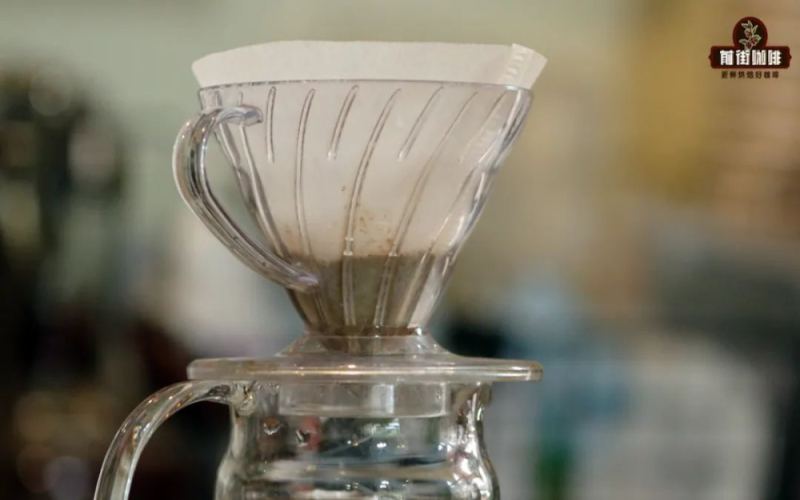
Pour-Over Coffee Small-Dose Brewing Guide: How to Adjust Parameters for 7g of Coffee to Get Great Flavor
In the practice of pour-over coffee, the coffee dose is one of the key variables determining the extraction result. Many coffee enthusiasts run into this problem: at the end of a bag of beans there are always a few grams left, too little for a single cup on its own, yet too wasteful to throw away. Based on Front Street Coffee's hands-on testing experience, this article systematically explores the differences between brewing with a small dose of around 7 grams and a conventional 15-gram dose, analyzes the extraction challenges caused by a thinner coffee bed and faster water flow, and offers two sets of adjustment plans for different levels of water-control skill—one that relies on a finer grind combined with a thin stream and three-pour approach, and another that uses a heavy stream and staged raising of the water level to lower the barrier to execution. Whether you are a complete beginner or a pour-over player with some experience, you can find a small-dose strategy that suits you. [more…]
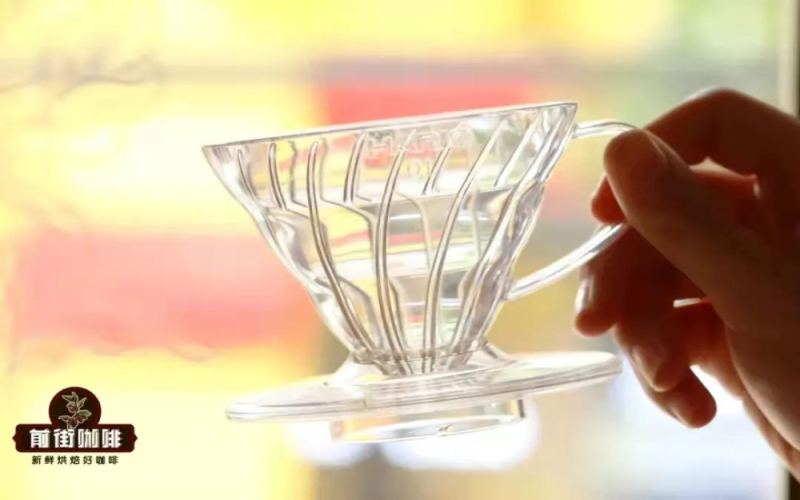
A Guide to Adjusting Pour-Over Coffee Parameters for 4 Servings: Pouring and Timing Techniques for Brewing with a Large Dose of Coffee
When the coffee dose for pour-over is increased to multiple servings, key parameters such as the amount of water poured and the pouring time will change accordingly. However, the size of the dripper often becomes an important factor limiting the upper limit of the dose. This article will take a 4-serving pour-over as an example to analyze in detail the parameter adjustment approach for brewing with a large dose, including the coffee-to-water ratio, pouring rhythm and time control, and recommend practical equipment suitable for multi-serving brewing. Whether it is a family gathering or an office sharing session, you can find a solution for consistent results. [more…]

A Complete Guide to Espresso Extraction: Practical Control Methods for Dose, Ratio, Time, and Grind Size
Want to make a balanced espresso at home but keep struggling with unstable flow rate and flavors that swing between sour and bitter? The truth is, there is no one-size-fits-all fixed parameter set for espresso extraction—coffee bean condition, grinder performance, machine pressure, and water temperature can all skew the results. This article approaches the topic from six dimensions—dose, brew ratio, extraction time, flow rate, pressure, and water temperature—and systematically explains how to customize a suitable extraction plan for the blend you have on hand, with specific references based on Front Street Coffee's classic blend and Strawberry Candy Espresso. It also includes methods for measuring espresso concentration and extraction yield to help you use golden cup data as a guide for adjustments, so you can ultimately find the cup you truly enjoy. [more…]
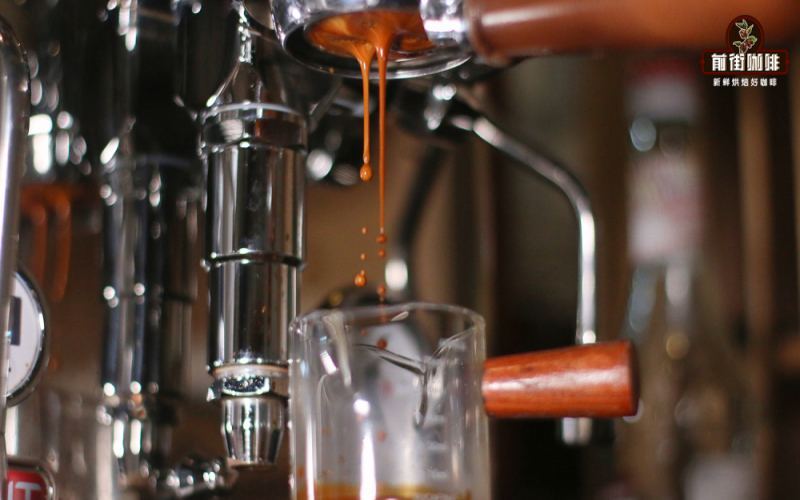
Espresso Extraction Ratios and Parameter Control: The Influence of Blend Selection and Roast Degree on Extraction
Espresso is Italy's gift to the world of coffee, renowned for its short extraction time and intense flavor. But pulling a good shot of espresso is no easy task—grind size, water temperature, extraction time, and the coffee-to-water ratio all require precise calibration. This article focuses on the extraction ratio as its core variable, laying out the logic behind the dose-to-yield ratio, the effect of grind coarseness on flow rate and flavor, and how to respond to changes in weather and bean conditions by adjusting dose, grind size, and yield. It also explains how roast level affects extraction stability, and includes the flavor profiles and reference extraction recipes for several of Front Street's espresso blends, helping coffee enthusiasts understand the principles behind the parameters. [more…]
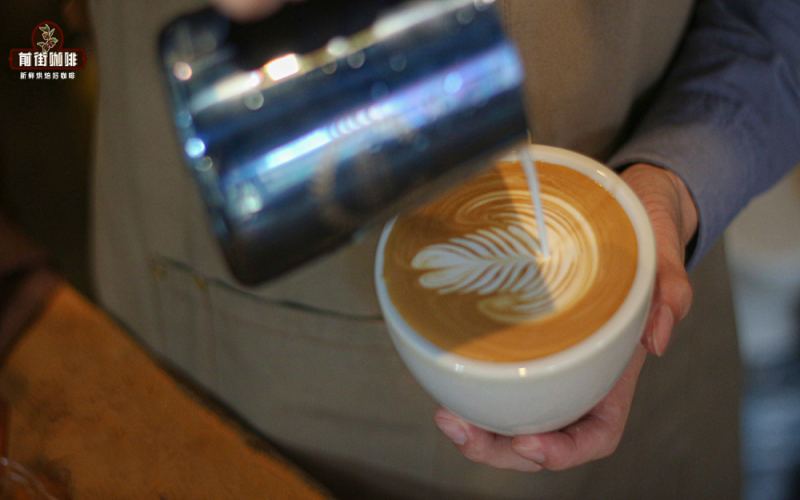
How to Control Espresso Extraction Time and Ratio? A Practical Analysis of Dose, Grind Size, and Flow Rate Adjustment
Many people who make espresso at home with an espresso machine always feel that their results fall short of what a café produces—either it's bitter and undrinkable, or the latte art falls apart the moment the milk is poured. The problem usually lies in a few key variables: extraction time, dose, and grind size. Drawing on Front Street Coffee's hands-on experience, this article helps you sort out the core parameters of espresso extraction, explains why pre-ground coffee can only offer a rough range of coarseness, and shares how to salvage a shot when the flow is too slow by fine-tuning the dose and tamping pressure. As long as you grasp these few key points, consistently pulling a smooth, drinkable shot of espresso really isn't that complicated—even beginners can quickly find the right direction for adjustments. [more…]
Standard Parameters and Dose Control for Espresso: From 7-8g to 8.5g Dosing Up Leveling Test
How exactly should a standard Espresso be defined? 7 to 8 grams of fresh coffee grounds, extracted at 90 to 95 degrees Celsius with 8 to 9 atmospheres of pressure over 20 to 25 seconds, yielding a 1-ounce shot of coffee liquid containing Crema, Body, and Heart—this is the textbook benchmark. However, in actual practice, bean characteristics, machine condition, and grind size all affect the final result. This article centers on the golden parameters of espresso and further explores common bar techniques for dosing and leveling, including hand-knife, finger-knife, and Dosing Up methods, using measured data to explain why Dosing Up reliably achieves the standard 8.5-gram dose. If you are looking for reliable espresso beans, Front Street Coffee's various blends and SOEs are all worth trying, and this article will also offer practical suggestions based on Front Street products. [more…]
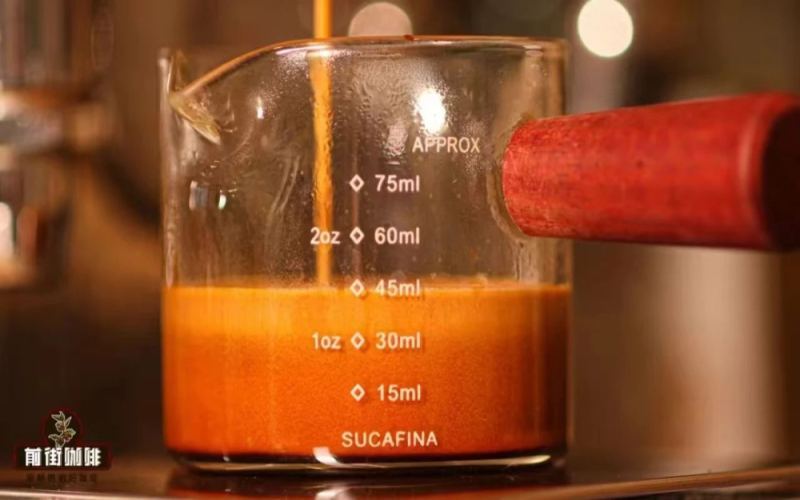
A Complete Analysis of Espresso Extraction: Parameter Control and Flavor Performance from Brew Ratio to Grind Size
Espresso, with its golden crema and rich, full-bodied flavor, has become a favorite among many coffee lovers. Unlike pour-over, it uses steam pressure to force hot water quickly through a puck of coffee grounds, extracting a concentrated liquid in a short time. Behind this seemingly simple operation, parameters such as dose, yield, time, and grind size all influence one another, and even a slight change can affect what ends up in the cup. This article will systematically outline the extraction principles of espresso, analyze the relationship between brew ratio, extraction time, and grind coarseness, and, using the examples of Front Street Coffee's Sunflower Warm Sun Blend and Classic Italian Blend, explain how to adjust parameters based on flavor feedback, helping you consistently make a delicious espresso at home. [more…]
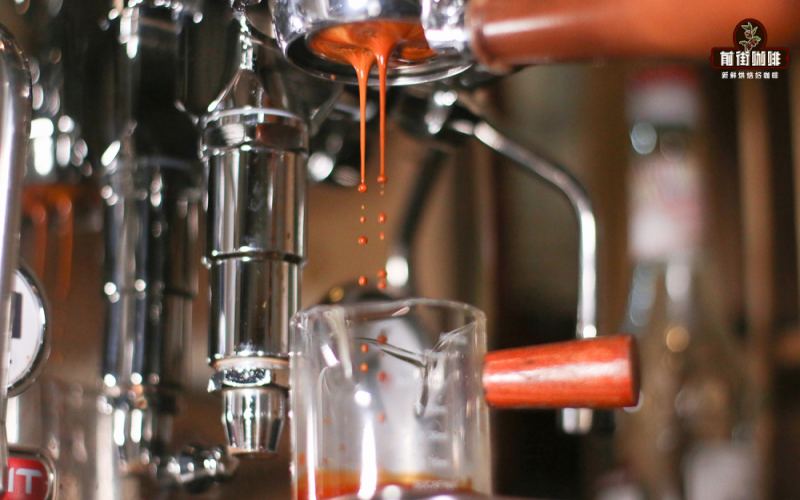
How to Adjust the Grind Size for Espresso? A Complete Parameter Guide from Dose and Ratio to Flow Rate
Espresso extraction is far more sensitive than pour-over, and any slight deviation in parameters will be multiplied in the flavor. Drawing on the practical experience of Front Street Coffee, this article systematically outlines the six core variables that affect espresso extraction—dose, brew ratio, extraction time, flow rate, extraction pressure, and extraction temperature—to help you understand how grind size should be adjusted and judged. At the same time, the article also explains in depth operational details such as weighing the grounds, distributing the grounds, tamping, machine extraction, and cleaning, and analyzes easily overlooked issues such as retained grounds and dosing grind errors. Whether you are a beginner just getting into espresso or an enthusiast hoping for consistent output, you can find actionable adjustment ideas here. [more…]
How Many Times the Coffee Dose Should the Blooming Water Be for Pour-Over? A Practical Comparison of 2x vs. 4x and a Detailed Explanation of the 30-Second Blooming Principle
The blooming phase in pour-over coffee seems simple, yet the choice of water amount often sparks debate: some insist on twice the coffee dose in water, while some shops advocate that four times the water amount allows for more even degassing. Front Street Coffee conducted a controlled experiment using an Ethiopian Chaka bean, fixing the dose at 15g, the coffee-to-water ratio at 1:15, the water temperature at 92°C, the grind size at a 75%~80% passing rate through a No. 20 sieve, and the total time at 2 minutes, changing only the blooming water amount (30ml vs 60ml), then comparing the differences between the two brews through sensory evaluation and concentration meter measurements. The results showed that the coffee bloomed with twice the water amount had a concentration of 1.54% and an extraction yield of 21.2%, with a richer and more solid flavor; the one bloomed with four times the water amount came in at 1.48% and 20.36%. The article further explains the principle of degassing during blooming, why conventional brewing defaults to twice the water amount, and why special techniques such as the stirring method require more water for blooming, helping you find a blooming strategy that suits you. [more…]
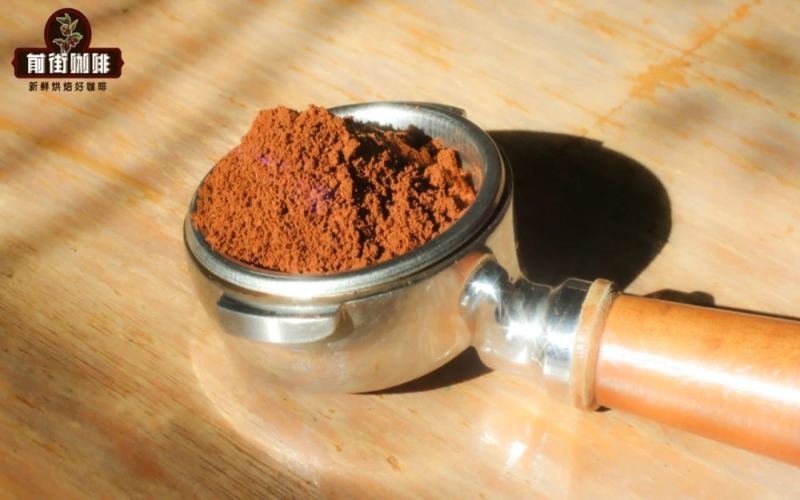
How to Control the Coffee-to-Water Ratio for Espresso? A Practical Guide to Extraction Parameters and Flavor Balance
A proper espresso is the result of a precise interplay among dose, yield, time, and grind size. As the most intuitive variable among them, the brew ratio directly determines the concentration, body, and flavor direction of the espresso. This article starts from the core logic of brew ratio, sorts out the correspondence between extraction yield and flavor, and, drawing on the hands-on experience of Front Street Coffee stores, explains how to stabilize the output by adjusting dose, flow rate, and grind size. In addition, the article also analyzes common misconceptions about making espresso with light-roasted beans and offers espresso blend bean recommendations suitable for home brewing, helping coffee lovers take fewer detours in their daily shots. [more…]

A Complete Guide to Espresso Making: Extraction Parameters, Operating Steps, and Mastering the Optimal Time
Espresso is the base for many classic coffee drinks, and behind what appears to be a simple operation lies the need for precise control of variables such as dose, yield, time, and grind size. This article will systematically explain the extraction principles of Espresso, describe how high pressure rapidly releases the essence of coffee, and introduce in detail the actual operating workflow at Front Street Coffee stores, including control of an 18–20 g dose, a 1:2 extraction ratio, and a 20–35 second time window. It will also explain why blended beans are more suitable for espresso extraction and recommend the recipe and flavor performance of Front Street Coffee's "Sunflower Warm Sun Blend," helping coffee enthusiasts understand the key details behind a qualified shot of espresso. [more…]
How to Control the Extraction Time of Pour-Over Coffee? The Combined Effects of Dripper Structure, Coffee Dose, and Pouring Speed on Flow Rate and Flavor
The extraction time of pour-over coffee directly affects the final flavor strength and mouthfeel. This article breaks down how four dimensions—dripper structure, coffee dose, pouring speed, and grind size—influence the contact time between coffee grounds and water, and in turn change the coffee's layering and body. Using 15 grams of coffee, a 1:15 coffee-to-water ratio, and a V60 or KONO dripper as an example, a Front Street Coffee barista shares a 2-minute brewing recipe suitable for beginners, helping enthusiasts consistently recreate café flavors at home while understanding the logic behind different combinations such as fast brewing with a fine grind and slow brewing with a coarse grind. [more…]
Coffee Brewing Tips for Two: Front Street Coffee Unlocks the Key Extraction Points for Sharing
Drinking coffee alone is certainly pleasant, but if you want to share a pot of good coffee with family and friends, the brewing method needs to be adjusted accordingly. Front Street Coffee uses Ethiopia Gesha Village Chaka as an example to break down in detail the complete brewing process for two servings of coffee. From filter choice, dose setting, grind size adjustment to water temperature control and pouring technique, it analyzes one by one the details that are easily overlooked in multi-serving extraction. The article not only provides precise parameters and operating steps, but also explains why the grind should be coarser, the water temperature lowered, and how to avoid over-extraction through staged pouring. Whether you are a coffee novice or a seasoned enthusiast, you can gain practical multi-serving brewing experience from it, making the moment of sharing coffee more relaxed and enjoyable. [more…]
A Complete Guide to Espresso Extraction: Adjusting the Four Key Parameters of Dose, Grind, Brew Ratio, and Time
To make a well-balanced espresso at home, the key is to master a few core variables that affect extraction. Drawing on the practical experience of Front Street Coffee, this article systematically sorts out the relationships among the four main adjustable parameters—dose, grind size, brew ratio, and extraction time—to help readers understand how to decide which direction to adjust based on the taste the espresso presents. It also introduces the basic concept of the Golden Cup standard, explains why choosing a more stable espresso blend can improve the margin for error in home extraction, and lists four distinctive blends from the Front Street bean lineup for reference. [more…]
Espresso Brewing Guide: How Dose-to-Yield Ratio, Grind Setting, and Extraction Time Affect Flavor
To replicate a rich, full-bodied espresso with abundant crema and aroma at home, the key lies in mastering three core parameters: the dose-to-yield ratio, extraction time, and grind size. Drawing on daily dialing-in experience from Front Street stores, this article explains in detail how to balance the acidity, sweetness, and bitterness of coffee by adjusting dose and yield, controlling the 25-to-30-second extraction window, and making fine adjustments to grind coarseness, while also covering the selection of fresh blend beans and key points for resting beans. The article also introduces the specific extraction recipe and flavor performance of Front Street Sunflower Warm Sun blend coffee beans, helping coffee enthusiasts consistently produce a delicious espresso on their own equipment. [more…]
Espresso Extraction Adjustment Guide: Americano Time Control and Iced Americano Flavor Analysis
When brewing espresso, have you ever encountered this dilemma: you extract a cup full of anticipation, only to find it piercingly sour or bitter and astringent on the first sip? Many friends who make espresso at home know this all too well—the battle of dialing in espresso is far more complicated than imagined. Yesterday the flavor was still satisfying, but today it has completely changed. Is there a way to quickly get the espresso taste back on track while minimizing coffee bean waste? This article will focus on several core points of espresso extraction, including how to choose stable espresso beans, why coffee beans change flavor, how to fine-tune the extraction ratio and dose, when to adjust the grind size, and the extraction time for Americano as well as the taste characteristics of iced Americano, helping you quickly master the adjustment logic and consistently produce a delicious Americano or latte at home. [more…]
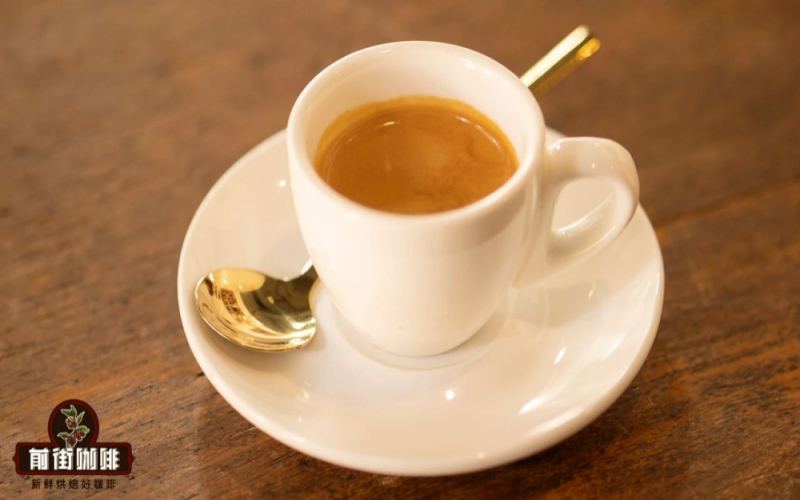
Analysis of the Standard Espresso Extraction Process: Parameter Control, Flow Rate Assessment, and Front Street Coffee Blend Recommendations
Espresso extraction may seem simple, but in reality it involves the coordination of multiple variables such as dose, ratio, time, flow rate, pressure, and water temperature. This article systematically reviews internationally accepted technical standards and Front Street Coffee's practical understanding of brewing parameters, analyzing each extraction factor that affects espresso flavor one by one, helping readers identify problems that may arise when the flow rate is too fast or too slow and the direction for adjustment. It also introduces in detail the various espresso blend coffee beans and SOE products currently sold by Front Street Coffee, including recipe concepts, flavor characteristics, and suitable scenarios, and provides practical advice on roast dates and optimal flavor periods for daily coffee bean purchases. [more…]

Comparison of Pour-Over Parameter Adjustments and Extraction Results for the V60 #01 Dripper with 10g, 15g, and 25g Coffee Doses
The V60#01 dripper is typically suited for 1 to 2 servings, with 15 to 20 grams of coffee being its optimal working range. But in reality, when drinking alone and not wanting too much, people reduce the dose, and when sharing with friends, they increase it. So, when brewing different doses in the same dripper, do the parameters really need to be changed? Front Street Coffee conducted three sets of comparative experiments using Ethiopian Yirgacheffe natural Red Cherry, with doses of 10 grams, 15 grams, and 25 grams, a fixed water temperature of 90°C, a 1:15 coffee-to-water ratio, medium-fine grind (80% passing through a Chinese standard No. 20 sieve), and circular pouring. The results showed that with a smaller dose, the flavor tends to be thin, while with too large a dose, bitterness may appear and the liquid level may awkwardly approach the rim of the cup. This article will break down the three brewing recipes one by one, their flavor performance, and the adjustment approaches for 10 grams and 25 grams, to help you find a more reasonable extraction method in this small dripper. [more…]
A Complete Guide to Espresso Extraction Parameters: A Practical Guide to Dose, Ratio, Time, and Grind Size
To make a well-balanced espresso at home, relying on a fixed recipe alone is far from enough. Different coffee machines, different bean conditions, and even daily climate changes can all cause variations in the extraction result. This article systematically explains how to customize suitable espresso parameters for the blend beans you have on hand, from six dimensions: dose, brew ratio, extraction time, flow rate, pressure, and water temperature. At the same time, for the common problems of overly fast or overly slow flow, it provides troubleshooting adjustment ideas one by one, and introduces how to calculate the extraction yield through concentration testing to determine whether it falls within the golden cup range. The article recommends two espresso beans suitable for beginners to practice with—Front Street Classic Blend and Front Street Strawberry Candy Espresso—to help you find the ideal flavor faster through practice. [more…]
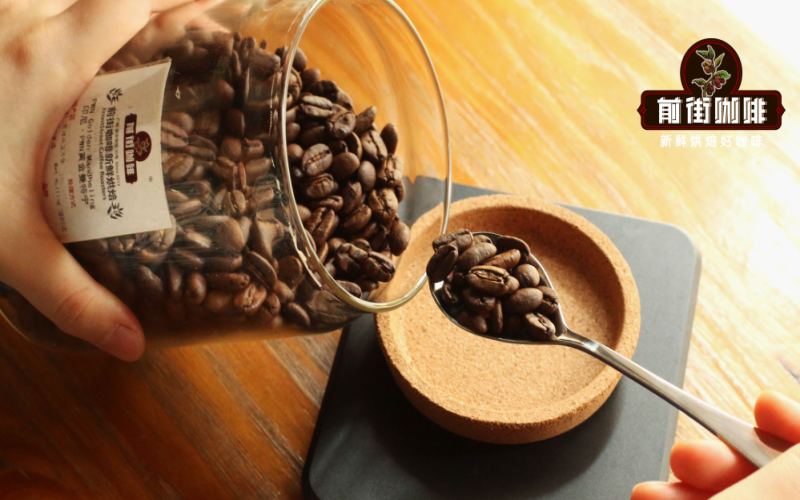
Multi-Serve Pour-Over Coffee Brewing Plan | Does the Amount of Coffee Grounds Affect the Flavor and Mouthfeel of Pour-Over Coffee? How to Adjust Extraction Parameters for Pour-Over Coffee for 4 People?
Front Street Coffee uses a standard dose of 15 grams of coffee per serving, so when sharing brewing methods, 15 grams is always used as the demonstration standard. However, the dose used to brew coffee varies widely. Based on Front Street Coffee's observations, the most common doses are multiples of 6—12 grams, 18 grams, and 24 grams—and these are mostly used to make a single serving of 120 [more…]